
Caregivers & Families
To every caregiver and family member: Your love, strength, and dedication make an incredible difference. The long days, sleepless nights, and countless sacrifices may go unnoticed by many, but they matter deeply. Thank you for standing beside your loved one through every step of the transplant journey. Remember to care for yourself, too—you cannot pour from an empty cup.
Recovery is a journey for the entire family. Celebrate every milestone, no matter how small. Healing takes time, and your continued love and encouragement are powerful gifts. It's okay to feel tired. It's okay to ask for help. Caring for yourself is not selfish—it's necessary. Your well-being is just as important as the person you are caring for.






Resources for Caregivers & Families
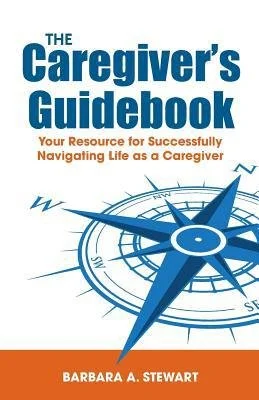
Barbara A. Stewart's The Caregiver's Guidebook: Your Resource for Successfully Navigating Life as a Caregiver is a practical handbook written from the perspective of someone who unexpectedly became a caregiver when her husband was diagnosed with end-stage liver failure and later received a successful living donor liver transplant.
The book combines her personal experiences with checklists, worksheets, and organizational tools to help caregivers manage the emotional and logistical challenges of caregiving.
What the book covers: Rather than being a medical textbook, it focuses on helping caregivers navigate day-to-day life. Topics include:
Preparing for hospitalization and transplant surgery
Understanding the healthcare system
Organizing medications, appointments, and medical information
Communicating effectively with physicians and nurses
Advocating for the patient
Managing caregiver stress and preventing burnout
Accepting and coordinating help from family and friends
Planning for discharge and recovery at home
Self-care strategies for caregivers
Journaling, worksheets, and practical checklists to stay organized
The Caregiver Action Network (CAN) is a national nonprofit that provides free education, practical tools, personalized guidance, and emotional support for family caregivers. While it isn't transplant-specific, many of its resources are highly relevant for organ transplant caregivers.
The American Society of Transplantation (AST) Self-Care for the Caregiver page is designed to help caregivers recognize that their own health and well-being are essential to providing the best care for a transplant recipient. Rather than focusing on the patient's medical care, it focuses on supporting the caregiver emotionally, mentally, and physically.

TRIO (Transplant Recipients International Organization) is a nonprofit organization dedicated to supporting transplant candidates, transplant recipients, living donors, donor families, caregivers, and family members.
Their mission centers on four key areas: support, education, advocacy, and awareness.